
The conflict is already pushing global oil prices higher, and economists warn that a sustained rise could add significantly to Australian fuel costs. Because petrol affects freight, construction and everyday consumption, higher energy prices tend to lift inflation and keep it elevated for longer. For borrowers, this matters because the Reserve Bank is more likely to hold interest rates higher for an extended period— or at least delay any rate cuts—while inflation remains uncertain.
Households are entering this period after several years of cost of living pressures, rising mortgage repayments and reduced borrowing capacity. This means buyers may feel cautious in the short term. However, Australia’s major cities still have a fundamental shortage of quality housing, and demand continues to be supported by strong population growth and tight rental markets. These structural factors are expected to limit any broad based price falls.
Short term outlook (0–3 months):
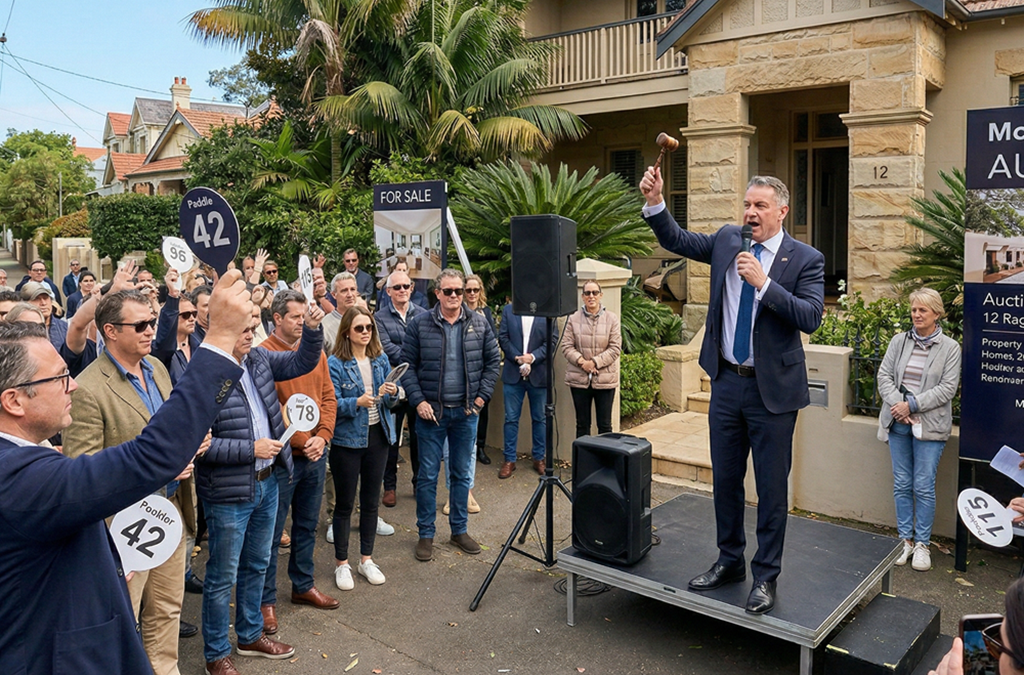
During the first phase of a major geopolitical shock, we generally see hesitation rather than forced selling. Buyers tend to wait and watch how interest rates and inflation react. For borrowers and buyers, this may show up as fewer active bidders at auction, more conditional offers and more conservative lender assessments as banks stress test for the possibility of higher rates. Listings may increase slightly from already stressed households, but we’re not expecting a wave of distressed sales. Historically, such shocks reduce activity and confidence, not core property values.
For lending clients, this period can also present opportunities. With less competition, high quality properties may be negotiated on more favourable terms. Buyers with strong borrowing positions or pre approvals in place may find themselves better placed to secure assets that would otherwise attract heavy competition in a normal market.
Medium term (6–18 months):
Once the initial shock subsides, the deeper structural issues in Australia’s housing market come back into focus. Australia continues to face an undersupply of new dwellings, construction bottlenecks, rising build costs and record low rental vacancy rates. Even if interest rates remain high, these supply constraints tend to support property values in desirable suburbs.
For borrowers, this period reinforces the importance of strategic purchasing. Well located, scarce assets—particularly houses and larger apartments in established suburbs—are likely to hold value and recover quickly from short term dips in sentiment. Meanwhile, more generic or oversupplied dwelling types may face more prolonged discounting if higher rates persist.
From a lending perspective, clients may find banks remain cautious but predictable: strong income, conservative leverage, clean credit histories and buffers against rate movements will be increasingly important. Planning ahead, updating borrowing assessments and reviewing lending structures will help buyers stay ready to act once more favourable conditions return.
Long term outlook:
Looking beyond eighteen months, history shows that Australian property markets have a robust ability to absorb global crises and resume long term growth. After conflicts in the early 2000s, the GFC and COVID 19, property values eventually strengthened—supported by population growth, limited supply and broader economic recovery. Long term borrowers and owner occupiers who maintain their positions through short term volatility typically benefit from this resilience.
Australia’s major cities fundamentals—finite land, strong migration, constrained construction capacity and premium global city status—remain fully intact. Even if rates stay higher for longer, inflation and genuine scarcity tend to support nominal property prices over time.
Additional demand from returning expatriates:
A factor specific to the current conflict is the likelihood that some Australians working in the Gulf region may return if security risks and operating costs continue to rise. There are an estimated 20,000–30,000 Australians living in the UAE alone, many in high income professional roles. If even a small portion of these households choose to relocate to Australian major cities, demand could intensify in precisely the suburbs already facing limited supply.
For lending clients, this could mean stronger competition for family homes and high quality stock once this return begins. Preparing lending strategies early, keeping pre approvals current, and being ready to move quickly will be important for buyers targeting these suburbs.
Practical implications for lending clients:
• Short term uncertainty may create windows to purchase quality assets at less competitive prices.
• Strong lending profiles and updated borrowing assessments will matter more as banks remain cautious.
• Asset quality and suburb scarcity are key to long term resilience.
• Returning expatriates may add an extra layer of demand in premium family home markets.
• Engaging early on lending structure, rate strategy and borrowing capacity helps buyers stay ahead of the market when sentiment shifts.
As brokers that specialise in helping you build wealth through property, we can provide a tailored assessment of how this environment affects your borrowing position or buying strategy. Should you require a tailored assessment, please do not hesitate to contact us.